Oral Cancer Screenings in Poulsbo, WA
Oral cancer screenings are a part of every preventive visit, and are a quick way to fortify your peace of mind. Through consistent exams, we can catch oral cancer early on, which gives us a better chance at treating it before it spreads.

Why Choose Regular Oral Cancer Screenings?
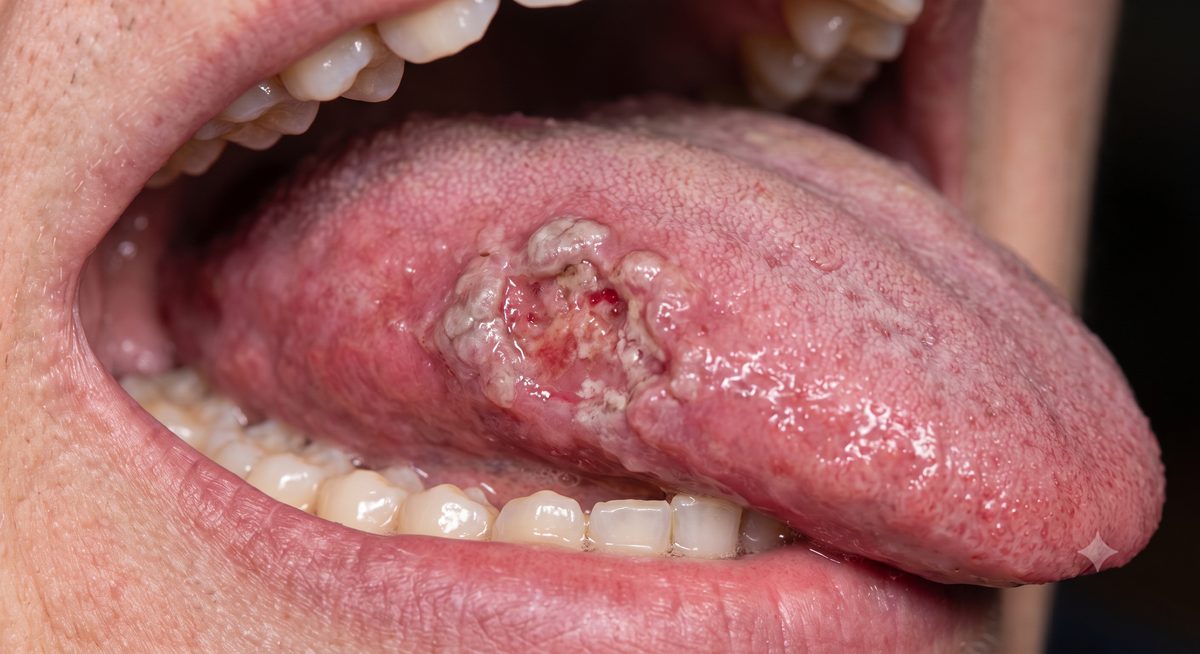
Your dentist will examine your gums, tongue, and the rest of the soft tissues in your mouth, keeping an eye out for lesions and other abnormalities like lumps and discolorations. If there is anything that concerns us, we may recommend getting a biopsy, which will be analyzed by a specialist to determine the cause of the abnormality. Regular oral cancer screenings allow us to identify any potential problems before they become major issues. A routine oral cancer screening can even save your life!
The Benefits of Oral Cancer Screenings
Quick & Painless
Oral cancer screenings are a simple visual and physical exam that adds just a few minutes to your regular checkup.
Early Detection Saves Lives
Catching oral cancer early gives you a better chance at successful, less invasive treatment.
Included In Every Visit
We include an oral cancer screening as part of every preventive exam, so you never have to think twice about scheduling one.
Frequently Asked Questions
Check out these frequently asked questions, or call us to speak with our team.
What happens during an oral cancer screening?
Your dentist will visually examine your lips, gums, tongue, and the other soft tissues in your mouth, looking for lesions, lumps, discoloration, or other abnormalities. They may also gently feel the area for anything unusual.
Does an oral cancer screening hurt?
No. An oral cancer screening is a quick, painless visual and physical exam that's included as part of your regular checkup.
What happens if something concerning is found?
If we notice anything that concerns us, we may recommend a biopsy, which is analyzed by a specialist to determine the cause of the abnormality. Many findings turn out to be harmless, but early evaluation is always the safest approach.
Who is at risk for oral cancer?
While anyone can develop oral cancer, risk factors include tobacco use, heavy alcohol consumption, HPV exposure, and prolonged sun exposure on the lips. Regular screenings are recommended for everyone, regardless of risk factors.